


 EN
EN ES
ES AR
AR











_converted.avif)



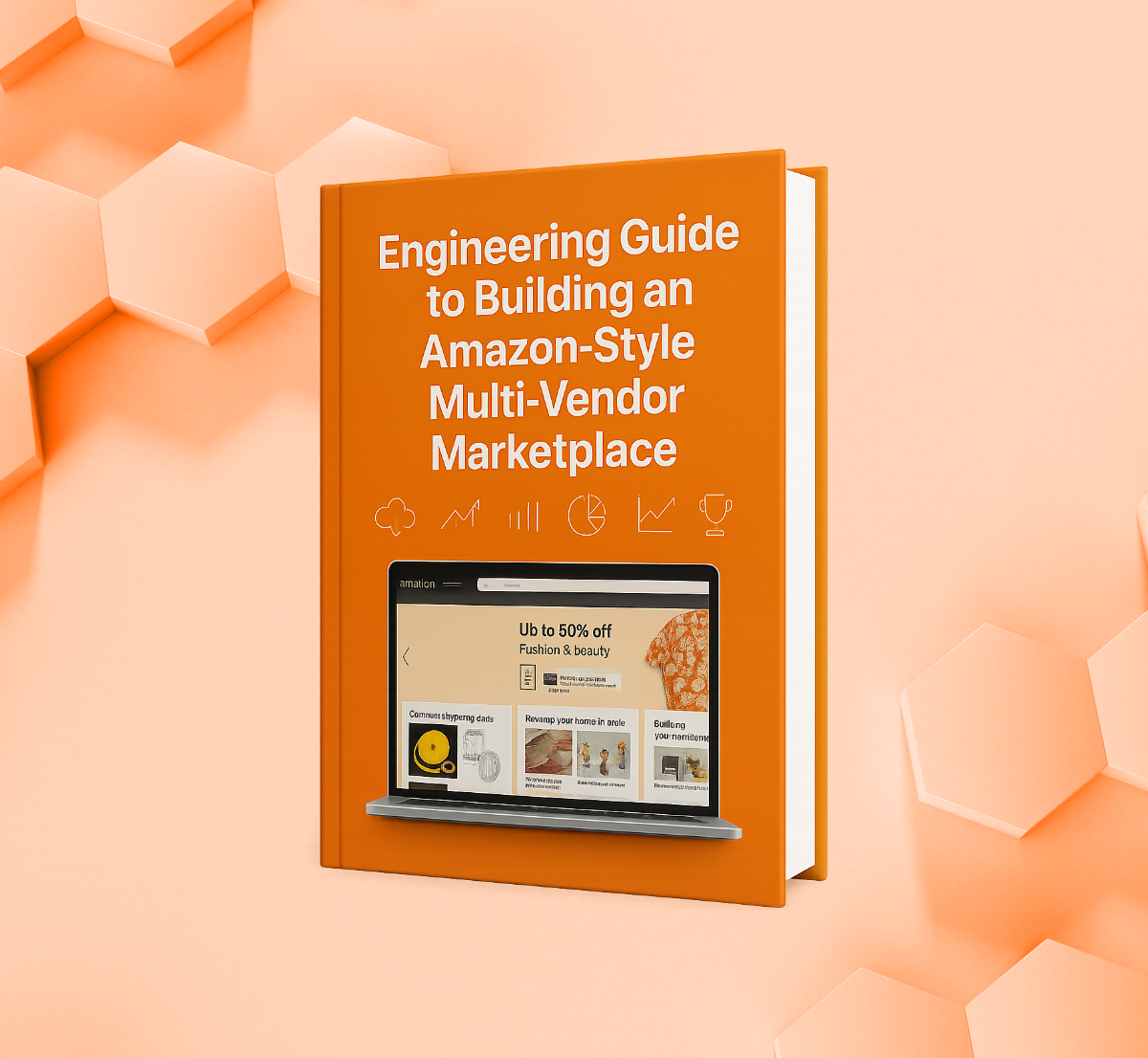
Engineering Guide to Building an Amazon-Style Multi-Vendor Marketplace
Build a scalable Amazon-style multi-vendor marketplace using SpurtCommerce's proven engineering foundation. This guide explains the architecture, security framework, deployment flexibility, and performance capabilities behind the platform. Designed for founders, CTOs, and development teams evaluating serious marketplace infrastructure. Launch faster with a system engineered for customization, scalability, & long-term growth.
Core Engineering Pillars Behind a Scalable Marketplace
Architecture Designed for Scale
SpurtCommerce is built with a modern, API-first headless architecture. It provides:
- Clear domain separation (Users, Sellers, Orders, Payments, Catalog)
- Modular marketplace core
- Stateless backend design
- Decoupled frontend flexibility
- Clean separation of business logic
This ensures long-term maintainability and extensibility without rewriting the system as the business grows.
Horizontal Scalability & Performance Engineering
SpurtCommerce architecture supports:
- Multi-instance deployment with load balancing
- Redis-ready caching integration
- Database optimization strategies
- CDN compatibility
- High-volume product catalog handling
You can start small and scale infrastructure based on business growth without architectural redesign.
Security-First Marketplace Framework
Security is embedded at system level. SpurtCommerce includes:
- Role-Based Access Control (Admin / Seller / Customer)
- Secure authentication mechanisms
- API-level protection
- Input validation & sanitization
- Configurable payment gateway integrations
- OWASP-aligned development practices
- message.engineering_card_3_list_7
This ensures long-term maintainability and extensibility without rewriting the system as the business grows.
Cloud-Native Deployment Flexibility
SpurtCommerce supports deployment across:
- AWS
- Azure
- Google Cloud
- Private servers
- On-premise environments
It is compatible with:
- Docker-based setups
- CI/CD pipelines
- Dev / Staging / Production separation
- Reverse proxy & SSL configurations
You control the infrastructure strategy the platform adapts to your environment.
API-Driven Integration Capability
SpurtCommerce provides:
- Clean RESTful APIs
- Third-party integration readiness
- Payment & shipping gateway connectivity
- ERP / CRM extensibility
- Event-based workflow possibilities
This ensures your marketplace can integrate into larger enterprise ecosystems.
Testing & Production Readiness
SpurtCommerce supports structured validation processes:
- API testing readiness
- Role-based workflow validation
- Staging environment deployment
- Load testing preparation
- Security audit compatibility
This ensures production confidence before launch.
Long-Term Maintainability & Extensibility
SpurtCommerce is built for evolution. You can:
- Extend modules
- Modify commission logic
- Add marketplace features
- Integrate new services
- Customize business rules
Without being locked into rigid SaaS limitations.
Multi-Database & Service Separation Ready
SpurtCommerce architecture allows separation of concerns such as
- Core application database
- Reporting / analytics database
- Logging database
- Cache layer (Redis-compatible)
- Queue systems for async operations
This ensures:
- Reduced read/write contention
- Performance isolation
- Clean scaling path as traffic grows
Spurtcommerce is engineered with a scalable and infrastructure-aware data architecture designed for real-world marketplace workloads.
See Spurtcommerce in Action - Download the Development Guide
Other Guides




All You Need to Know About Spurtcommerce
Yes. You receive full source code ownership, allowing you to customize features, workflows, integrations, UI/UX, and business logic based on your requirements.
Yes. It supports horizontal scaling, caching integration, CDN compatibility, and high-volume product catalogs with proper infrastructure setup.
SpurtCommerce is built on Node.js with a headless API-driven architecture and supports modern frontend frameworks like React / Next.js.
Yes. SpurtCommerce is self-hosted and can be deployed on AWS, Azure, Google Cloud, private cloud, or on-premise environments.
Launch timelines depend on customization scope, but it significantly reduces development time compared to building from scratch.
Yes. Our team provides technical guidance and deployment support to help ensure a smooth marketplace launch.
Yes. You can engage our development team for feature customization, integrations, UI enhancements, and marketplace-specific modifications.

 Available